HONEYBEE DIET CHANGE BOOSTS PESTICIDE SURVIVAL FROM BELOW 50% TO 90%
REPORT A PROBLEM WITH THIS SOURCE
WHAT HAPPENED
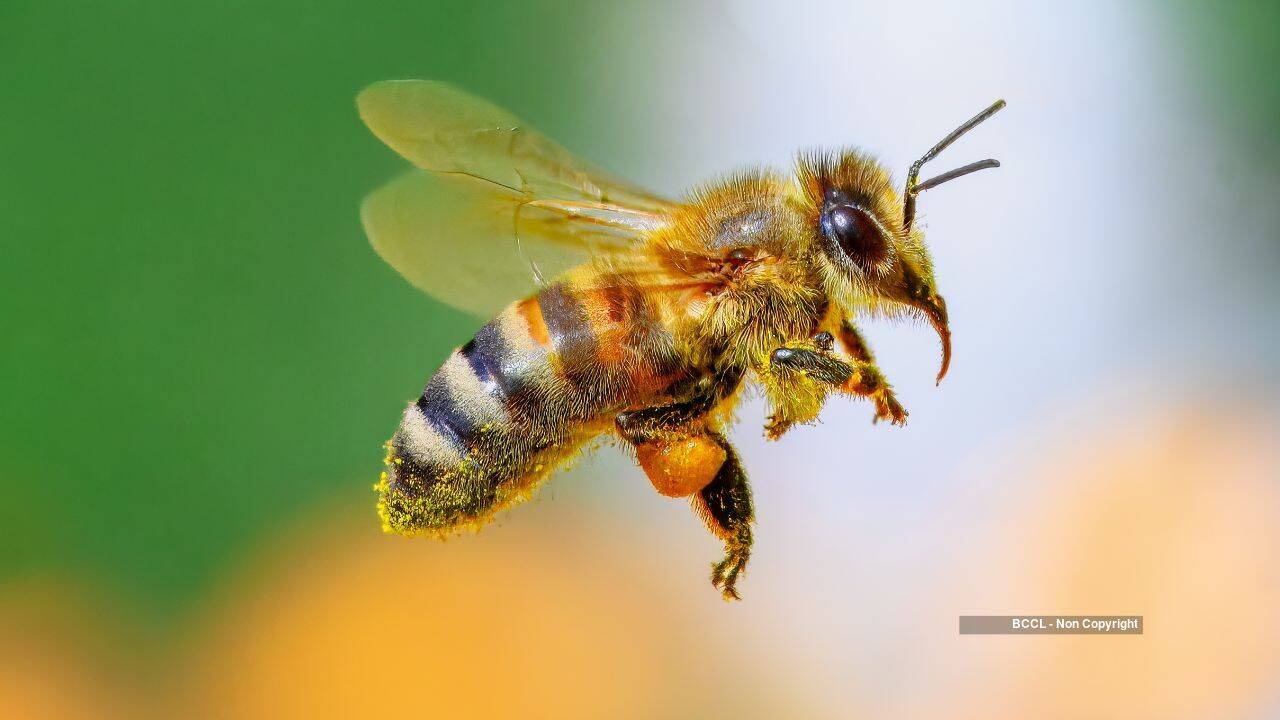
Researchers have made a significant discovery regarding the survival of honeybees exposed to pesticides, according to the Times of India. A dietary change that includes polyunsaturated fats has been found to boost the survival rate of honeybees from below 50% to 90%. This breakthrough has important implications for the resilience of bee populations against agricultural stressors.
The study found that bees fed polyunsaturated fats not only showed a higher survival rate but also supported nerve function and energy balance. This suggests that nutrition plays a critical role in strengthening bee resilience against pesticides. The exact mechanisms and long-term effects are not specified in the provided information.
The discovery is significant as it highlights the potential for nutrition to inform bee diets and pollinator habitat planning, ultimately contributing to the health and sustainability of bee populations. This is particularly important given the critical role bees play in ecosystems and agriculture.
- Honeybees' survival rate increased to 90% with a diet change including polyunsaturated fats
- The dietary change also supported nerve function and energy balance in bees
- Nutrition could inform bee diets and pollinator habitat planning to strengthen bee resilience
RELATED DAMMNEWS COVERAGE
- 'RETHINK THE FOREST' AMID UNPRECEDENTED WILDFIRES: RETURN TO 'ANCESTRAL WAYS OF MANAGING THE LAND'?
France 24 - International breaki • 30 mins ago • GLOBAL - YOUR GUT MAY HELP YOUR BRAIN DECIDE WHAT TO REMEMBER
All Top News -- ScienceDaily • 3 hrs ago • SCIENCE - WHY ARE SO MANY DEAD BUMBLEBEES APPEARING ON SIDEWALKS?
All Top News -- ScienceDaily • 3 hrs ago • SCIENCE