U.S. DOLLAR WEAKENS SHARPLY AGAINST THE JAPANESE YEN AFTER MARKET INTERVENTIONS
REPORT A PROBLEM WITH THIS SOURCE
WHAT HAPPENED
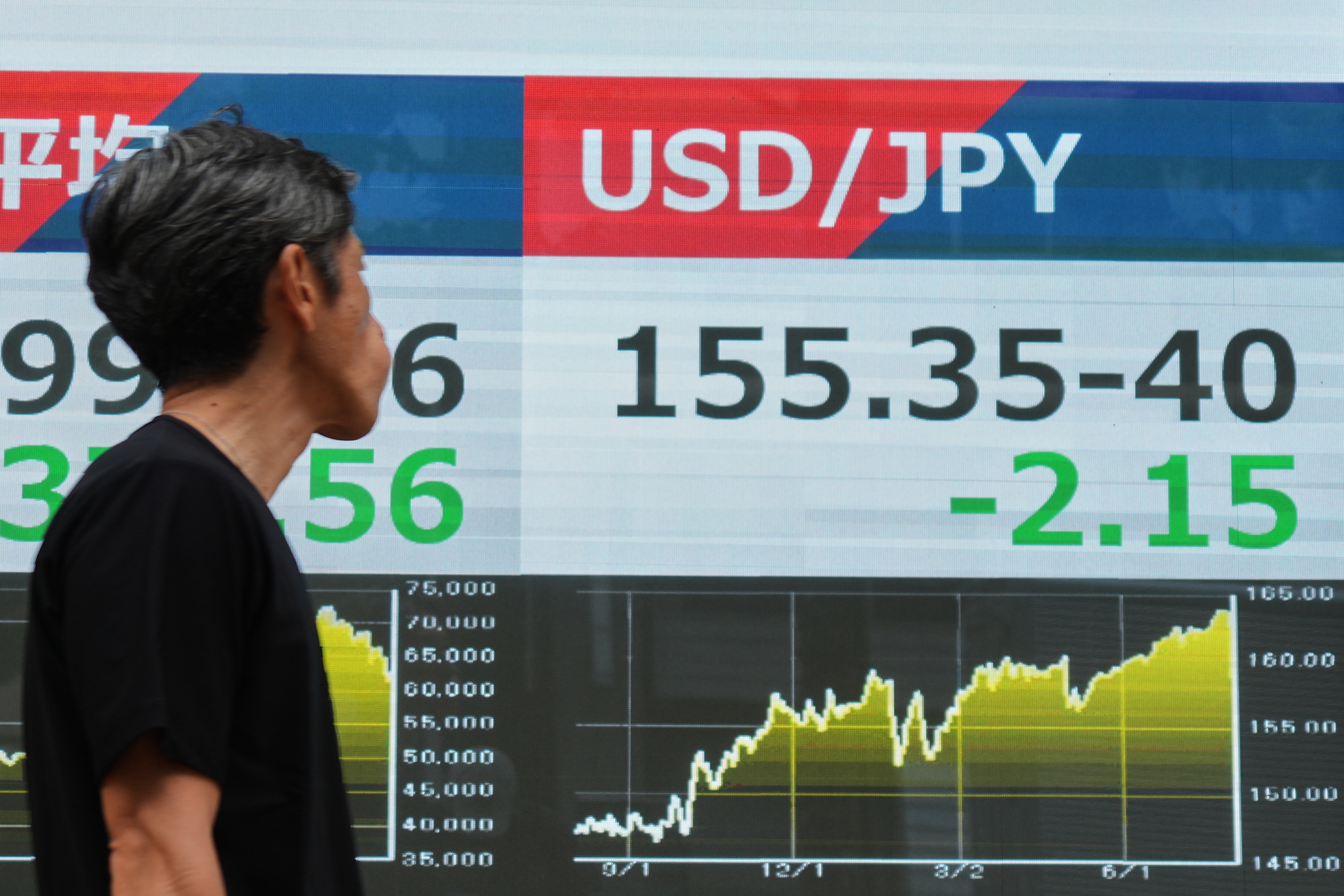
The U.S. dollar weakened sharply against the Japanese yen on Monday, according to NPR Topics: World, after U.S. President Donald Trump and Japan's finance minister confirmed that both countries had intervened in markets. This market intervention is significant as it indicates a coordinated effort by the two nations to influence currency exchange rates. The confirmation of market intervention by both the U.S. and Japan suggests a deliberate attempt to stabilize or adjust the yen's value.
Further details on the extent and nature of the intervention are not provided in the initial report, but the confirmation by both Trump and Japan's finance minister underscores the seriousness of the situation. According to related coverage, discussions and negotiations involving other countries, such as Iran and Oman, might be ongoing, although these are not directly linked to the U.S. dollar and Japanese yen situation. The specific actions and outcomes of the market intervention are not elaborated upon in the available sources.
The weakening of the U.S. dollar against the Japanese yen has significant implications for international trade and finance, affecting the economic relationships between the U.S., Japan, and potentially other countries. The context surrounding this event suggests geopolitical and economic maneuvering, but the exact motivations and long-term effects are not fully clear from the provided information.
- The U.S. dollar weakened sharply against the Japanese yen on Monday
- U.S. President Donald Trump and Japan's finance minister confirmed market intervention
- The intervention aims to stabilize or adjust the yen's value, though details are limited
RELATED DAMMNEWS COVERAGE
- U.S. AND JAPAN COORDINATED TO HELP STABILIZE THE YEN
NYT > Top Stories • 2 hrs ago • TOP - TRUMP SAYS IRAN TALKS SET FOR MONDAY AS TEHRAN AND OMAN DISCUSS STRAIT OF HORMUZ DEAL
The Guardian • 6 hrs ago • UK - IRAN LIVE UPDATES: TRUMP SAYS DEAL IMMINENT, IRAN-OMAN STRAIT OF HORMUZ TALKS ONGOING
ABC News: Top Stories • 48 mins ago • US