● DAMMNEWS STORY INTEL • ROUTE A LOCAL/FREE • NO PAID AI API ●
NASA WILL ATTEMPT TO OBSERVE ROCKET PART’S LUNAR IMPACT
SOURCE SPECTRUM: NASA UnratedThird-party classification: Not rated • method and full source list. Bias is not a truth score.
REPORT A PROBLEM WITH THIS SOURCE
WHAT HAPPENED
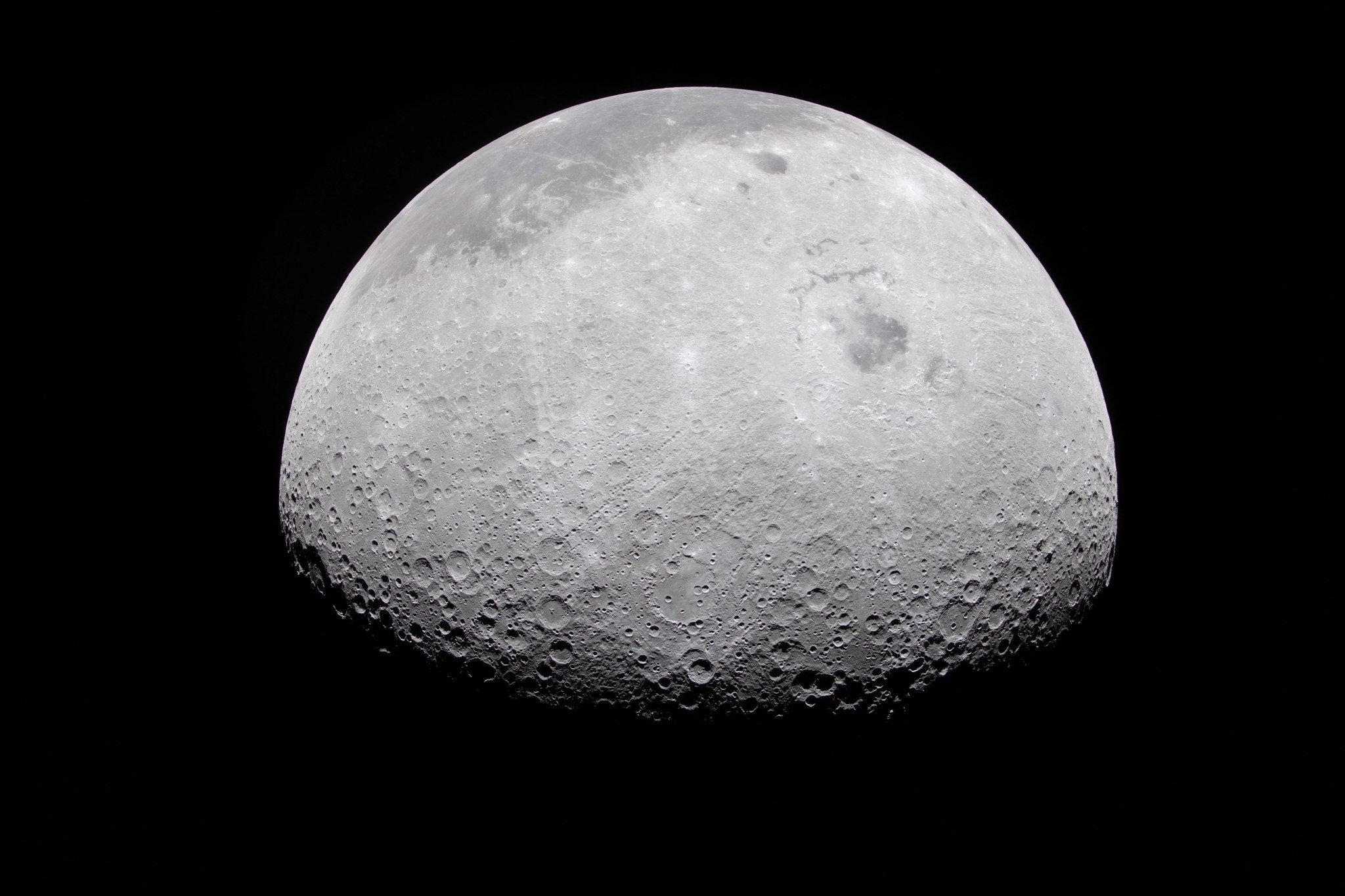
NASA and SpaceX are coordinating an observation campaign for a used Falcon 9 upper stage that is slated to strike the Moon on Wednesday, Aug. 5. The impact will occur near the Einstein and Bell craters and will be monitored with ground‑based telescopes and space‑based assets.
According to NASA, the collision poses no danger to Earth. The spacecraft is expected to create a crater about 16 feet wide, as reported by CBS News, and scientists plan to use the event to collect new data on lunar geology and impact physics.
Tracking the impact of a commercial rocket stage offers a rare opportunity to study the Moon’s surface response to high‑velocity debris and to improve models of meteoroid impacts on planetary bodies.
- Falcon 9 upper stage scheduled to hit the Moon on Aug. 5 near Einstein and Bell craters.
- Impact will be observed from Earth and space with telescopes and other assets.
- NASA estimates a 16‑foot crater; no threat to Earth.
ADVERTISEMENT
RELATED DAMMNEWS COVERAGE
- NASA WILL ATTEMPT TO OBSERVE ROCKET PART’S LUNAR IMPACT - NASA.GOV
"space OR nasa OR spacex OR ESA • 1 hr ago • SPACE - NASA’S PUNCH SHARPENS SOLAR STORM FORECASTING IN FIRST TEST
NASA • 3 hrs ago • TECH - SPACEX ROCKET EXPECTED TO COLLIDE WITH MOON, LEAVE 16-FOOT CRATER
Home - CBSNews.com • 10 mins ago • US
ADVERTISEMENT
ADVERTISEMENT