WEATHERWATCH: PAVING OVER FRONT GARDENS IS LEADING TO HOTTER NIGHTS
REPORT A PROBLEM WITH THIS SOURCE
WHAT HAPPENED
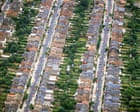
A significant increase in paving over front gardens in the UK has been linked to hotter nights due to the urban heat island effect. According to Climate crisis | The Guardian, the percentage of paved front gardens in the UK has risen from 7.5% in 2005 to 55% in 2025. This shift from green spaces to hard surfaces is absorbing heat during the day and releasing it overnight, contributing to the urban heat island effect.
The Royal Horticultural Society estimates that the area covered by UK household gardens is three times larger than all the country's nature reserves combined, highlighting the potential impact of this change. By contrast, leafy green gardens release moisture into the atmosphere, which helps to cool the air as the water evaporates. A study has shown that changing paved areas to grass and planting trees can reduce the urban heat island effect by as much as 1C.
The urban heat island effect is a significant concern in the context of the climate crisis, as it can exacerbate heat-related issues in urban areas. The loss of green spaces in front gardens is contributing to this problem, making it essential to consider the impact of urban planning decisions on the environment.
- 55% of UK front gardens were paved in 2025, up from 7.5% in 2005
- Paved surfaces absorb heat during the day and release it overnight, contributing to the urban heat island effect
- Changing paved areas to grass and planting trees can reduce the urban heat island effect by up to 1C
RELATED DAMMNEWS COVERAGE
- HOW TO TURN UNWANTED ANCHOVY TIN OIL INTO SALSA VERDE – RECIPE
Food | The Guardian • 19 hrs ago • FOOD - BUTTERFLIES AROUND THE WORLD ARE CHANGING HABITATS – AND EXPERTS SAY IT’S ‘SIGNALLING A WARNING’
Climate crisis | The Guardian • 22 hrs ago • CLIMATE - ‘LIKE BACKSTREET BOYS, BUT LESS SULTRY’: HOW THE JONAS BROTHERS NOTCHED UP 20 YEARS OF POP STARDOM AGAINST THE ODDS
Culture | The Guardian • 20 hrs ago • CULTURE