BENEATH THE WATERS OF HONG KONG’S LAMMA ISLAND, A SILENT SUPER PLANT IS AT WORK
REPORT A PROBLEM WITH THIS SOURCE
WHAT HAPPENED AI ENRICHED
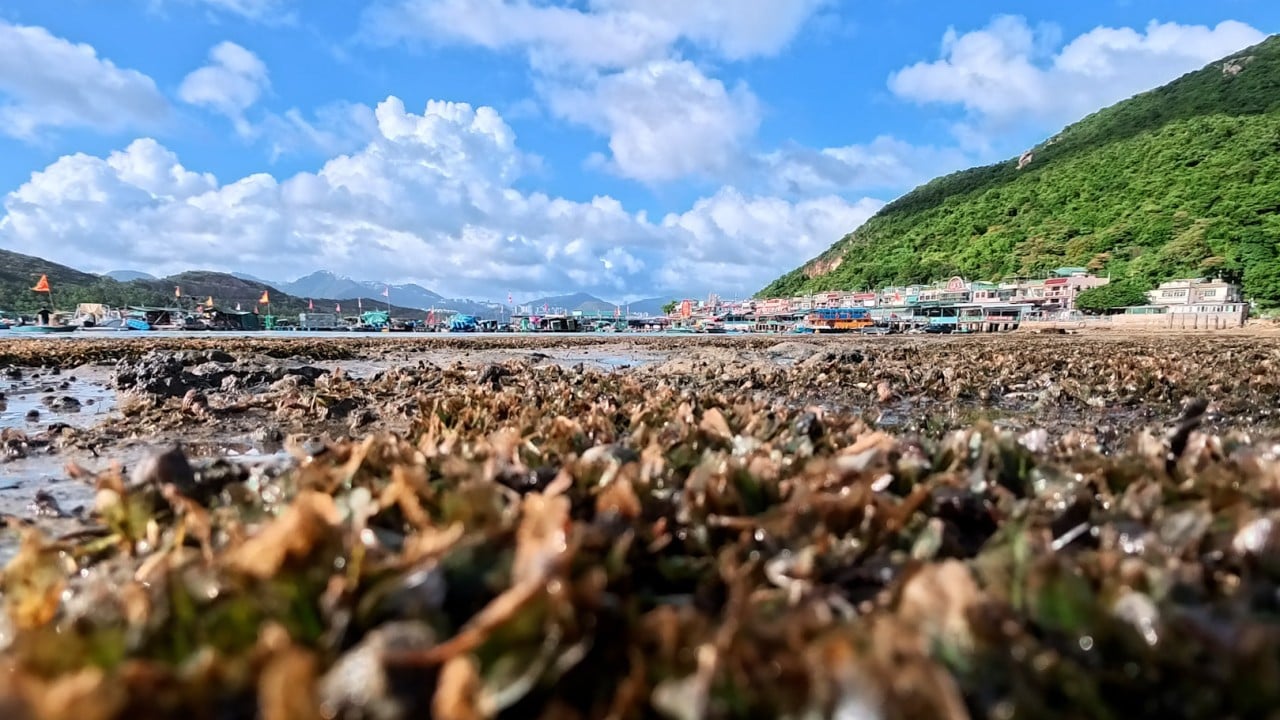
Scientists noted a patch of seagrass emerging along Lamma Island’s shoreline on a sunny July afternoon, describing it as an "ultimate underwater superhero" that significantly boosts marine biodiversity. The discovery highlights a critical, yet neglected, carbon‑capturing resource in Hong Kong’s waters. Seagrass, it was explained, locks away climate‑warming carbon 35 times faster than tropical rainforests.
According to News – South China Morning Post, seagrass levels in local waters have fallen by 60% over the past two decades, a decline that coincides with dwindling marine life sightings in the area. The article emphasizes the plant’s dual role in sequestering carbon and providing habitat, underscoring the urgency of protecting these ecosystems. While the precise causes of the drop were not detailed, the piece noted that the temporary resurgence of seagrass could offer a glimmer of hope for marine recovery.
Seagrass beds are pivotal for coastal carbon sinks and food webs, making their loss a serious environmental concern. The drop in seagrass density reflects broader global trends in marine habitat degradation and climate change.
- Seagrass on Lamma Island is nicknamed an "ultimate underwater superhero" for its biodiversity benefits.
- The plant captures carbon 35 times faster than tropical rainforests.
- Local seagrass coverage has declined by 60% over the past 20 years.
RELATED DAMMNEWS COVERAGE
- FORCE OF NATURE SHOWS HOW EXTREME WEATHER PUSHES WILDLIFE TO ITS LIMITS
Arts + Culture – The Conversatio • 19 hrs ago • CULTURE - FRANCE AND SPAIN RACE TO CONTROL WILDFIRES AS SUBURBS OF BORDEAUX BEGIN EVACUATION – LIVE
The Guardian • 22 mins ago • UK - THOUSANDS OF LIGHTNING STRIKES TRIGGER FRESH WILDFIRES IN WESTERN CANADA
World news | The Guardian • 15 hrs ago • TOP