FROM GENDERED SACRIFICE TO ANCIENT POLITICS: DNA LIFTS SHROUD ON EARLY CHINESE CIVILISATION
REPORT A PROBLEM WITH THIS SOURCE
WHAT HAPPENED
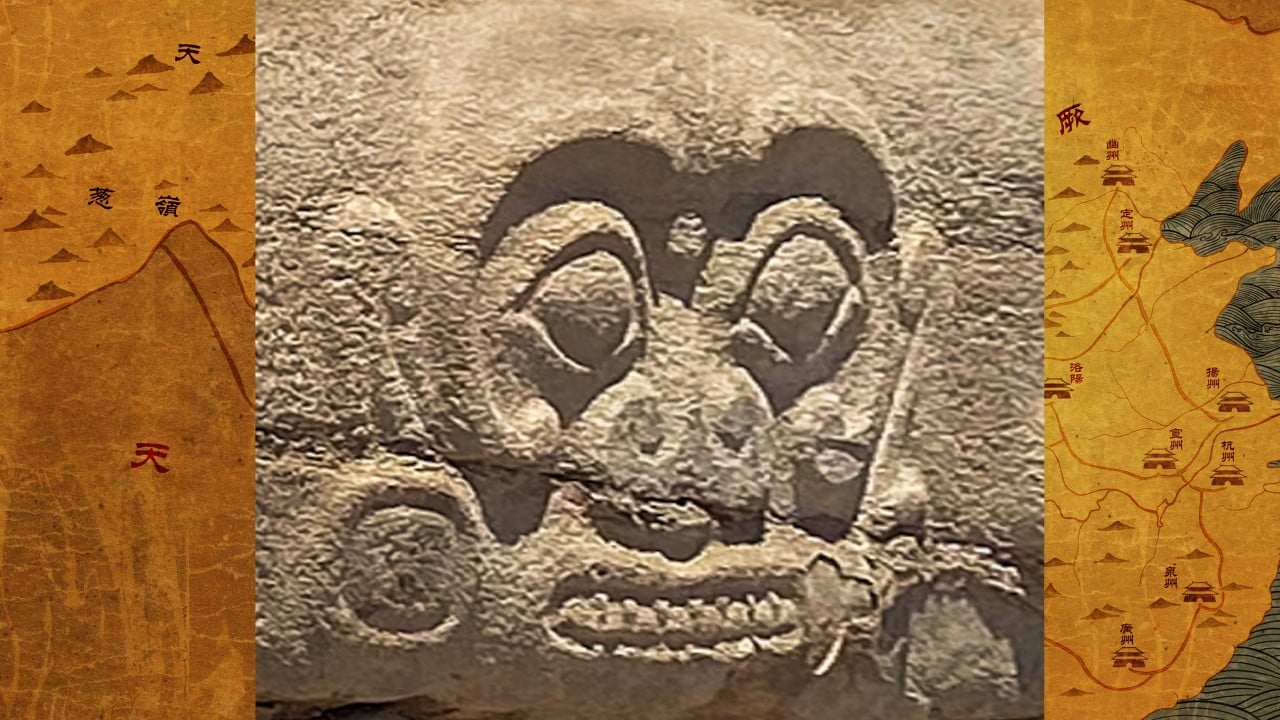
Archaeological discoveries have shed new light on the Shimao civilisation, which existed in central China between 2300-1800 BC, according to News - South China Morning Post. The Shimao constructed majestic walls that were initially believed to be part of the Great Wall of China, but the discovery of jade artefacts dated them to an earlier period. This find has significant implications for our understanding of early Chinese civilisations.
The Shimao inhabited Shaanxi, in central China, during a time when several burgeoning civilisations were forming the earliest cultures of what would evolve into China. The discovery of jade artefacts at the site helped to date the infrastructure, highlighting the limitations of traditional archaeology in uncovering the secrets of this remote period. Further details about the Shimao civilisation and its significance are still emerging, but the discovery has already provided valuable insights into the lives of these ancient people.
The discovery of the Shimao civilisation and its wall provides a unique window into the politics and culture of ancient China, a time and place that is still not well understood. This find has the potential to significantly expand our knowledge of the region's early history.
- Shimao civilisation existed in central China between 2300-1800 BC
- Majestic walls initially believed to be part of the Great Wall of China
- Discovery of jade artefacts dated the walls to an earlier period
RELATED DAMMNEWS COVERAGE
- IS TURKEY PUTTING PRESSURE ON CHINA IN AFRICA’S INFRASTRUCTURE MARKET?
News - South China Morning Post • 2 hrs ago • CHINA - ALLEY CATS: RICKY GERVAIS IS BACK WITH A BOORISH, SWEARY COMEDY – AND I DIDN’T LAUGH ONCE
Culture | The Guardian • 1 day ago • CULTURE - ‘THEY PLAYED NOUGHTS AND CROSSES ON THE PM’S HUGE FOREHEAD!’ AN INDIAN STANDUP PICKS HIS FAVOURITE GEN Z PROTEST MEMES
India | The Guardian • 3 days ago • INDIA