WHO PAYS WHEN OVERHEATED ROADS MELT AND RAILS BUCKLE?
REPORT A PROBLEM WITH THIS SOURCE
WHAT HAPPENED AI ENRICHED
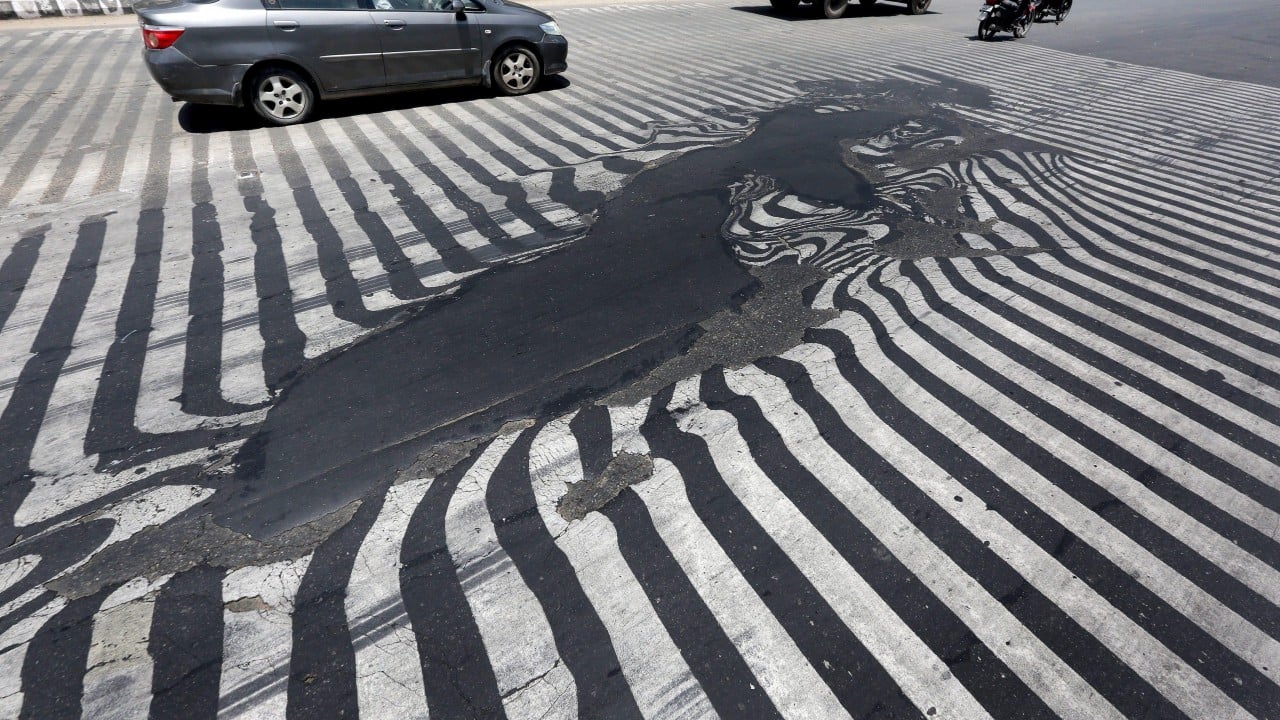
Heatwaves across China this summer have pushed road and rail infrastructure to the brink, with surface temperatures high enough to melt asphalt and weaken steel rail beds. The South China Morning Post reports that these extreme temperatures, now more frequent and intense than in past decades, have caused significant, ongoing damage that often goes unnoticed once the weather calms.
According to the article, ultra‑hot days and nights have resulted in fatal heat stress for people lacking adequate cooling, while also sparking forest fires of unprecedented intensity. The damage to roads and railways is described as “costly” and lasting, yet the story raises the question of who bears the financial burden for repairs, with no definitive answer offered in the current report.
The piece highlights the growing risk that climate‑driven temperature spikes pose to the daily infrastructure of China’s rapidly urbanising population, underscoring a broader pattern of environmental stress on public utilities.
- Record‑breaking summer temperatures in China are causing road asphalt to melt and rail beds to buckle.
- Heatwaves are linked to increased fatalities and severe wildfire outbreaks.
- The South China Morning Post questions who is responsible for funding the repair and maintenance costs of compromised infrastructure.
- Related coverage includes discussions of extreme weather impacts on wildlife, innovative food solutions for heat‑affected communities, and severe air‑quality concerns in other regions.
RELATED DAMMNEWS COVERAGE
- FORCE OF NATURE SHOWS HOW EXTREME WEATHER PUSHES WILDLIFE TO ITS LIMITS
Arts + Culture – The Conversatio • 20 hrs ago • CULTURE - ‘BARBECUE PLUS ONE’: MY FRIEND’S GENIUS SOLUTION FOR FEEDING THE MASSES WITHOUT SWELTERING NEXT TO THE COALS
Food | The Guardian • 1 day ago • FOOD - D.C. AIR QUALITY WAS AMONG THE WORST IN THE WORLD TWICE THIS MONTH. WHAT CAN THE DISTRICT DO TO IMPROVE IT?
Inside Climate News • 1 hr ago • CLIMATE